Mobile App MVP: Choose the Features Before You Build
Define the main mobile task, device needs, backend behavior and release checks before committing to a large app feature list.
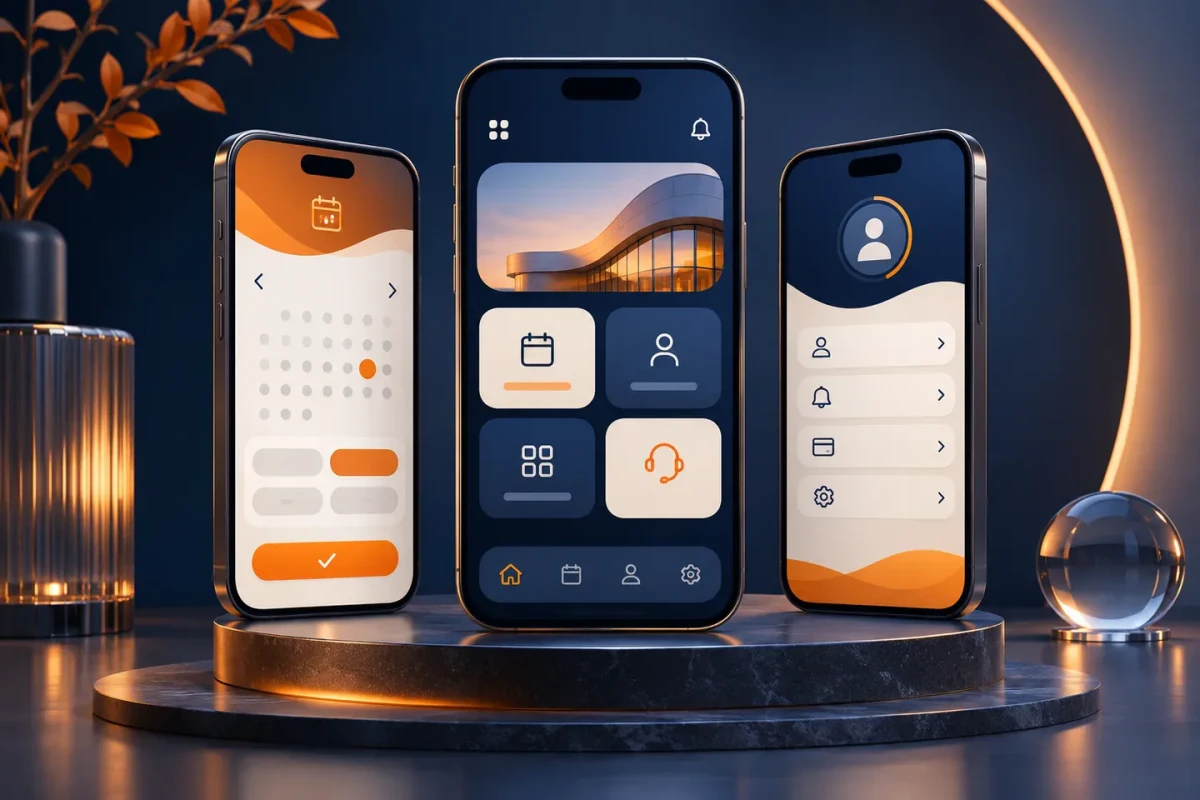
A mobile MVP should complete one valuable user journey reliably. Decide target devices, necessary permissions, server dependencies and release requirements before treating every future idea as a launch feature.
The essentials
- A website may solve some tasks without a separate app.
- Permissions, offline behavior and notifications affect scope.
- Release ownership belongs in the plan.
Describe the task, not just the app category
“We need an app” does not explain the result. “A customer can book a visit and check its status” gives the product a testable purpose. Define the user, starting point and outcome, then identify the necessary screens.
Check whether a responsive website already meets the need. A dedicated app may suit recurring use or device capabilities. Choosing an app should be a product decision rather than a substitute for a clear requirement.
Identify device and backend dependencies
Record notifications, camera, location, file access and offline requirements. Ask for permissions when their purpose is understandable and define behavior if the user declines. Background work and notification delivery remain subject to platform behavior, not unconditional guarantees.
Plan APIs, authentication and record ownership alongside the screens. Loading, session expiry and connection failure are normal product states. Sensitive information requires appropriate storage and access controls in the app and on its server.
Choose a focused first release
Separate the main journey from convenience features and later experiments. A useful first version might support one account type and one booking flow, with administration through an existing dashboard. It does not need every imagined social feature or report.
Make acceptance checks concrete: complete the task, recover from an error and understand its status. Include accessibility, small screens and supported devices. Evaluating only a preferred development phone leaves important behavior untested.
A practical check
Consider a booking request sent over an unstable connection. The app needs to explain whether it was submitted, is waiting or failed. Repeated taps should not produce duplicate bookings. If offline queuing is part of the agreed scope, define synchronization and conflict behavior explicitly rather than silently implying that every feature works offline.
Plan release ownership and maintenance
Confirm ownership of developer accounts and application identity. Prepare store information and privacy disclosures, test the complete server flow and agree monitoring, updates and handover. Store review and platform-policy changes can affect release timing.
Discuss Mobile App Development with the journey, existing backend, intended devices and target audience. A focused scope can simplify delivery, while essential quality, security and operational ownership remain necessary.
Frequently asked questions
Does an MVP mean low quality?
No. It limits scope while keeping the chosen journey usable and supportable. Essential security and reliability are not optional launch extras.
Can one codebase support Android and iOS?
Often, depending on the stack and device capabilities. Platform-specific behavior, testing and store-release processes still need attention.
References
- App quality - Android Developers
- Human Interface Guidelines - Apple
